
Interior design has always been seen (and marketed) as an exclusive, high-end, or luxury service, since its very beginning as a stand-alone industry. However, this idea does not come so much from the service itself but from the price tag attached to it. Centuries ago, interior design was strictly associated with architecture, or for all intended purposes, as being part of the architectural process.
It wasn’t until the late 19th century/beginning of the 20th century, that the profession started to separate from architecture and stand on its own two feet. Interior designers started to appear, the most famous being Elsie de Wolfe, an American actress who became one of the first interior designers of that time.
The profession has evolved a lot since then, with different parts splitting further down. Now, you can be an interior designer, interior decorator, or interior architect (part of architecture). If you want to understand a bit more about the difference between an interior designer and an interior decorator (because there are differences in what we do), you can read all about it here.
So why is there such a big difference in prices?
That is a fair question! Especially when all we seem to see around us (on the internet and TV shows) are very inexpensive design fees, either per room or for whole homes. Usually, TV shows are purely for entertainment, and they never show the hidden costs, such as designer’s fees builders’ and painters’ fees, or the cost to finish or redo the whole thing after the show has ended. They only give the designers (who probably work for free on these shows in the hopes of gaining visibility) £1000 up to £3000 per room to design.
Having such a tight budget to do a whole room, when just an armchair can cost that much nowadays, means they are turning to very cheap materials and second-hand buys. While there is nothing wrong with second-hand furniture, in fact, it’s very much encouraged for sustainability reasons, the same thing cannot be said for cheap materials (paints, wallpapers, and fabrics most likely made from plastics).
Then there are the designers who offer to help you design a room for 99£ or £150. While there is nothing wrong with that either, keep in mind that they are most likely at the beginning of their careers, and might not have that much experience. And that is ok, we all have to start somewhere, and that is how we grow our expertise and experience. But for you, as a client, you have to be aware and accept that with a low design fee, you might not get the full high-end interior design experience you are after.
When you see interior design fees starting from £3500 and over, keep in mind that for interior designers, this is their bread and butter, a way to live and sustain themselves. It’s a business for them and they need to get paid. Just like you get paid every month, they have to be as well. To put things in perspective, you wouldn’t be very happy if, for example, your boss came to you and said “Why don’t you work for 150£ this month, because you are too expensive?”
Okay, but why does it cost so much?
Let’s get down to the nitty-gritty. When you are asking for a quote to work with an interior designer, you are basically paying for their time, energy, and expertise on the following:
Spatial Planning - or how to create the best layout for your home so that you feel fantastic in it without even realising;
Design Concept - they come up with a cohesive, fluent, beautiful design that answers your needs and desires;
They spend time looking for the best materials, fabrics, and furniture to bring that concept to life so that you can live safely and enjoy every single day inside your home;
They design bespoke furniture that is just for your home, to create a unique space, just for you.
Liaise with trades, and builders to make sure they create the design as intended and not steer off for whatever reason.
They come up with alternative ideas when unexpected problems or surprises inevitably come up on site (when walls and floors are being stripped back).
They create electrical plans so that electricians know what lights to install, and where (and how will the space be used);
They create specific, technical drawings (called a tender pack) that give the builders all the information needed to bring your design to life, minimising guesswork.
All of these things would not be possible without years of study and practice, and continuous development.
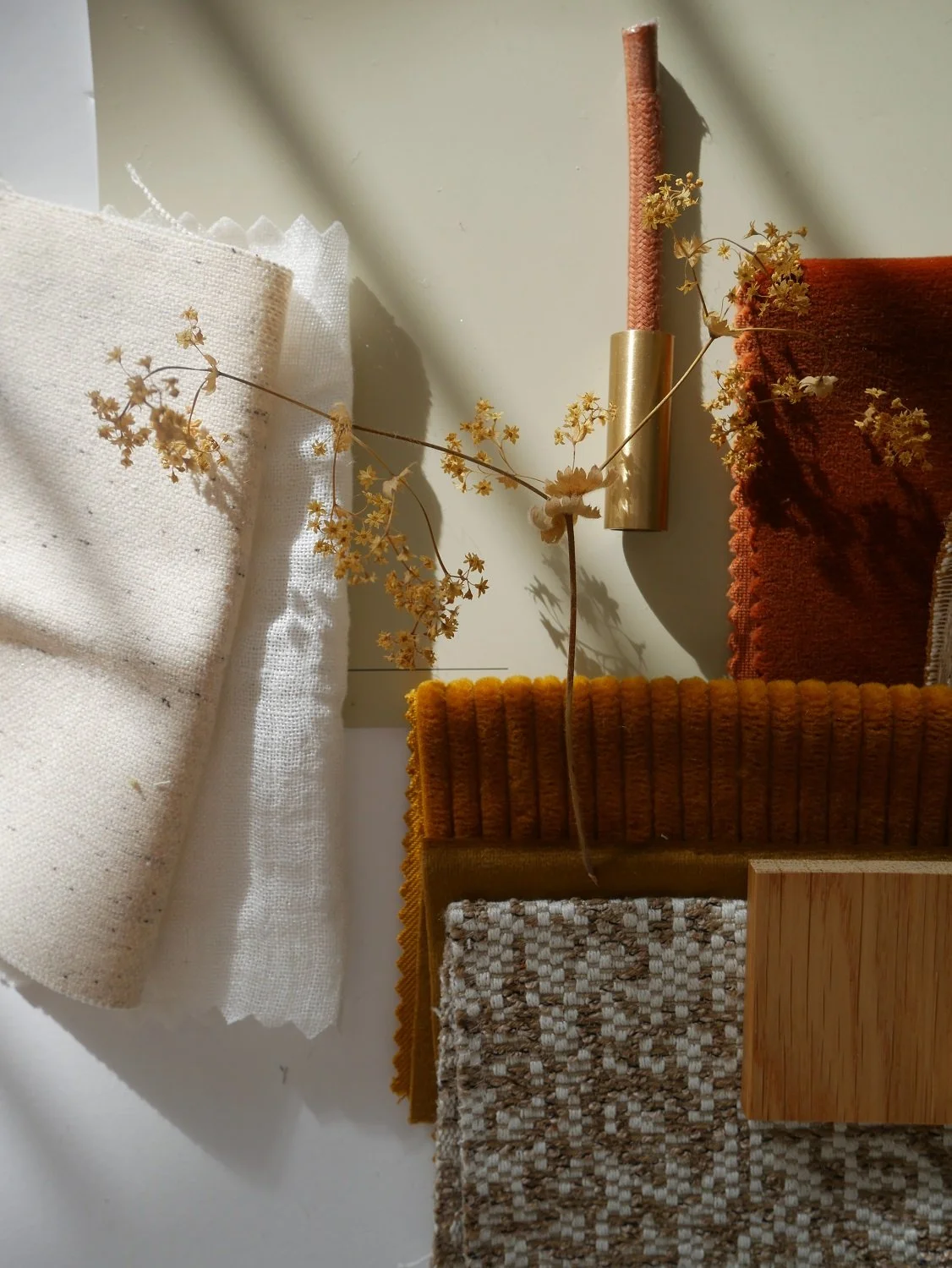
Photo and styling by ©Detail Movement
The Hidden Value of Interior Design
Interior design isn't just choosing throw pillows and paint colors or curtains. It’s a complex, highly specialized service that transforms and creates spaces tailored to individual needs. It involves so much more than you’d think. Here are some of the reasons why interior designers’ fees seem so high.
Specialized expertise & training
Interior designers are trained professionals with backgrounds in spatial planning, architectural basics, color theory, and more. Or at least, they should be. This knowledge is essential to create safe, beautiful, and cohesive spaces bespoke to your needs. This specialized knowledge usually comes with years of study and practice, which is why hiring an interior designer can feel expensive, but is in fact the best thing you could do for your project. It’s actually invaluable.
Time and project management
Interior designers do more than just decorate; we look after every aspect of a project, from creation to communication, to coordinating with contractors to placing and tracking orders. Even a single-room redesign can take dozens of hours. You can absolutely take this part of the project on by yourself. But in case you don’t want the extra stress or you don’t have the time for it, paying an interior designer is an option.
A design that is truly yours
One of the biggest advantages of working with an interior designer is that we create spaces that reflect your lifestyle. We design for you, for your needs, and desires, custom to you if you will. While there are certainly common things that can be found in various designs, your home will always be one-of-a-kind. Because no two clients have identical needs and home conditions.
Trade discounts
Interior designers can sometimes have access to trade-only discounts from suppliers, exclusive furniture lines, and high-quality materials not necessarily available to the public. They can also negotiate trade discounts, helping you get high-end pieces at lower costs. Some interior designers choose to pass on these discounts for an additional fee. For example, they pass on their discounts to you but they ask for a 10 to 15% sourcing fee. After all, they spend a lot of time nurturing these relationships.
Smart budgeting & value engineering
We, as designers know where to spend to create an impact and where to save. There is no point in buying an expensive £800 side table, if it sits in a corner and you never use it. An then struggle to get a proper sofa (an item that you’d use every day), because you ran out of money. By choosing the right materials and finishes, we can think up your budget together, and make sure it goes a long way while avoiding costly mistakes.
Increased property value
Maybe not the first thing that comes to mind, but one that I’ve certainly been asked for, is increasing the value of a home. Interior designers can absolutely do that by creating a more attractive and cohesive space that appeals to future buyers. You can think about it this way - investing in an interior designer is also an investment in your property’s resale value in the future.

Photo by Studio Gently
Besides all of these things, there are also the hidden costs of running a business, such as:
Business registration fees;
Business insurance costs;
Public liability insurance costs (and Employers’ liability insurance if applicable);
PPE - personal protective equipment (for site visits);
Office supplies, tools, and furniture - i.e. laser measuring tool, printer, paper, fabric, and material samples;
Travel/transport expenses (car fuel, phone, insurance, substance);
Marketing and advertising expenses;
Website development and hosting;
Dedicated software (to crate the technical tender pack for builders, design presentation for you, etc);
Accounting and bookkeeping;
Business Taxes;
Utilities (water, electricity, internet, etc);
Professional Fees (consultants, legal, etc);
Professional Training and Development (certifications, safety courses, etc), and the list could go on.
So you see, it’s never that simple. Design fees are always bespoke to your project, your needs, budget, and timeline. So there is always a delicate balance between our clients and what we need for the business to stay open so that you can continue to help people.
And I didn’t even touch upon all the time spent developing and maintaining relationships with different trades and builders so that when you come to them, they have the right people who can make your dream a reality.
It literally takes a village to make your dream home.
Now you know!
Lots of love, Raluca x
Join The Thoughtful Edit
The “Thoughtful Edit” interior newsletter. A newsletter unlike any other where the content is shaped by the community for the community, to serve the community.
All images that are credited as '©Detail Movement', are done by Raluca Vaduva for Detail Movement. All rights reserved. All pictures that are not my own, I credit them to the best of my knowledge & research, to their offline/online sources. I do not claim ownership over them in any way. If you see your picture on this site and do not wish for it to be displayed, please get in touch and I will remove it or add additional notes at your request.