
How to protect your home from heat waves
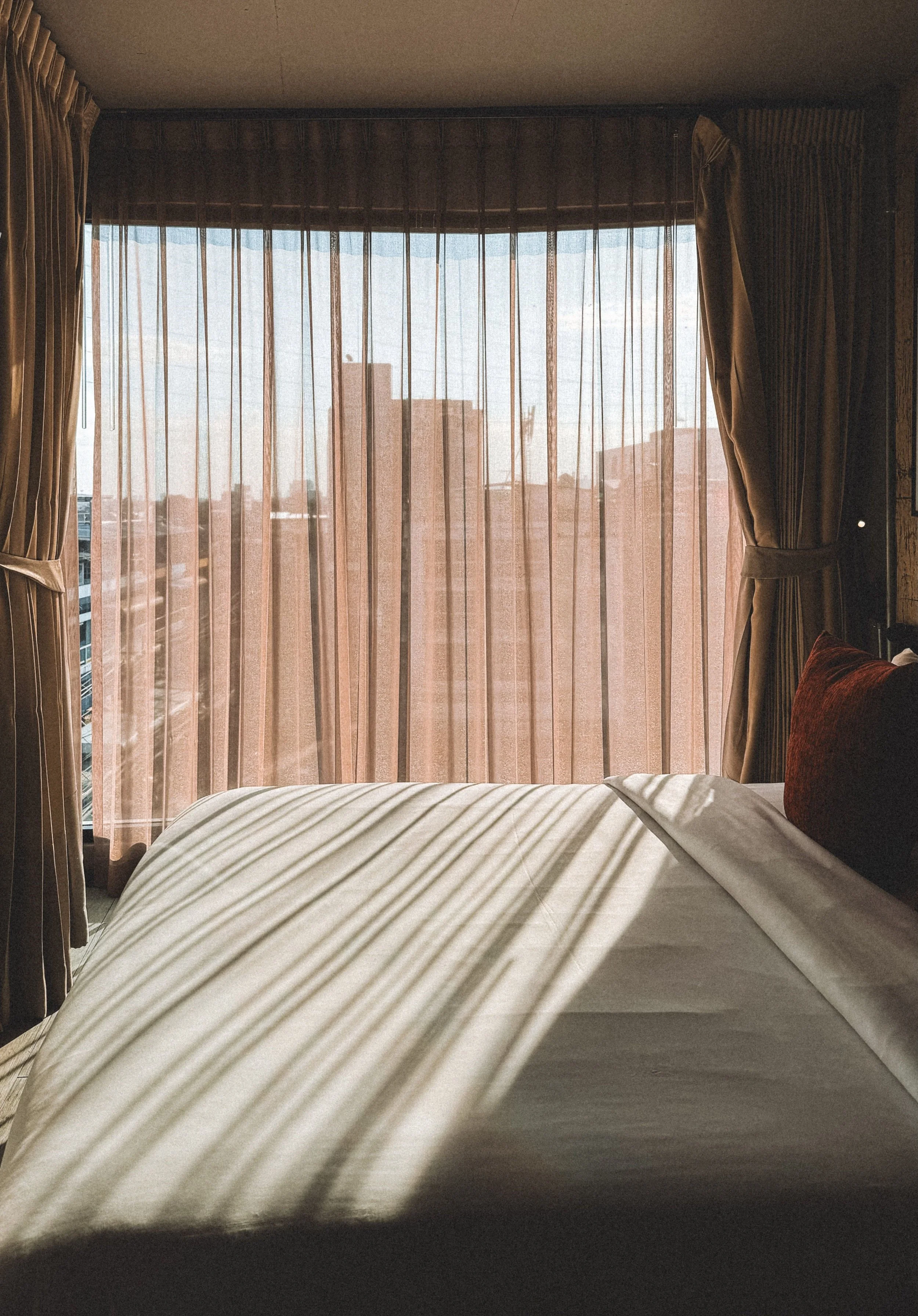
Image by Kate Filatova via pexels
It seems that each year becomes the latest, hottest year on record in the UK, but also worldwide. While I can sense you are anxious, maybe as much as I am regarding this topic, I also know that all is not lost.
All the tension in the Middle East and Trump’s approach to things in general (at the time of writing this) (things I never thought I’d ever write in an interior design newsletter) does have a small silver lining.
It is pushing up the drive and transition to cleaner energy.
More and more people are switching to electric cars, getting solar panels and installing heat pumps. There is also plenty of good news (which is not really shared because good news never raises the viewing/audience figures for TV news like dramatic/negative news does).
You can have a look at Ecologi Positive News and Daily Climate, if interested.
However, I am not here to share positive climate change websites, but because I want to share some tips about how you can protect your home, and by extension yourself, during heatwaves. Both short-term and long-term.
Having trained as an architect/turned interior designer, I have some insights into what things we can do to help our homes keep us safer from heatwaves.
While ideally, a lot of things can be done when the buildings are being made, not all of us are in the fortunate position of buying/having bought a new build that is, or should be (because that is a whole other topic), more environmentally friendly. Myself included.
So below, I’ll be sharing some of the things I am striving to do that you can also do to ease the impact of a heatwave on your home and on your life.
First and foremost, follow the guidelines and medical advice set by health care experts on how to protect yourself. Heatwaves are no joke. I’ve experienced plenty of them while growing up in Romania. From my sandals’ heels submerging into the pavement melting from the heat, to almost passing out due to heat on public transport (and more).
But when it comes to your home, the place we spend almost 80% - 90% of our time in, it is essential to protect it so we can ride out the heatwaves and be able to do the bare minimum activities (however these might look like for you).
As always, take what you need and leave the rest.
SHORT - TERM things that you can do right now:
1. Keep curtains closed while the sun is out during peak hours, especially if the sun is shining directly in your windows (i.e. in those south, east and west-facing rooms).
If you have white shutters, blinds or curtains, it’s an extra point as white will reflect light and heat. For example:
Whites: 20% - 40% (reflects most of the light)
Yellows: approx. 28%
Blues: 35% -80% depending on the shade (i.e. light blue absorbs less, whereas a navy or royal blue absorbs more).
Greens, reds and browns: 50% - 70%
Black/dark greys/charcoal: 86% - 98% (absorbs almost everything).
2.If you can, limit the use of electronics (TVs, computers, even laptops) as these become a heat source while in use.
I know we need our computers and laptops for work, and if that is the case, at least make sure everything else that is not essential is closed off, including sockets. You consume less and avoid any potential meltdowns to the grid. While we’re here, check the fridge, freezer, and any fans you might have are working properly.
3. Try not to heat up/cook hot foods during this time, as your home will warm up very fast.
I know this is an obvious one, and you are potentially rolling your eyes at me, but you’d be surprised how many people think they “have” to cook during the day. Just moving the cooking time to the evening, when it’s (hopefully) less warm, can make a big difference.
Also, follow your body’s nudge. During heatwaves, the body craves lighter and colder foods. And plenty of fluids. So focus on nourishing and hydrating yourself. Obviously, I am not a nutritionist or a medical expert, so if you have any special requirements, please seek out expert advice.
I am just sharing what I noticed my body needs during times like these.
4. Turn off the central heating.
Again, I know this sounds like a no-brainer, but some people forget about this when they have so many things going on. We are only human.
5. Turn off lights & any electrical equipment that you aren’t using.
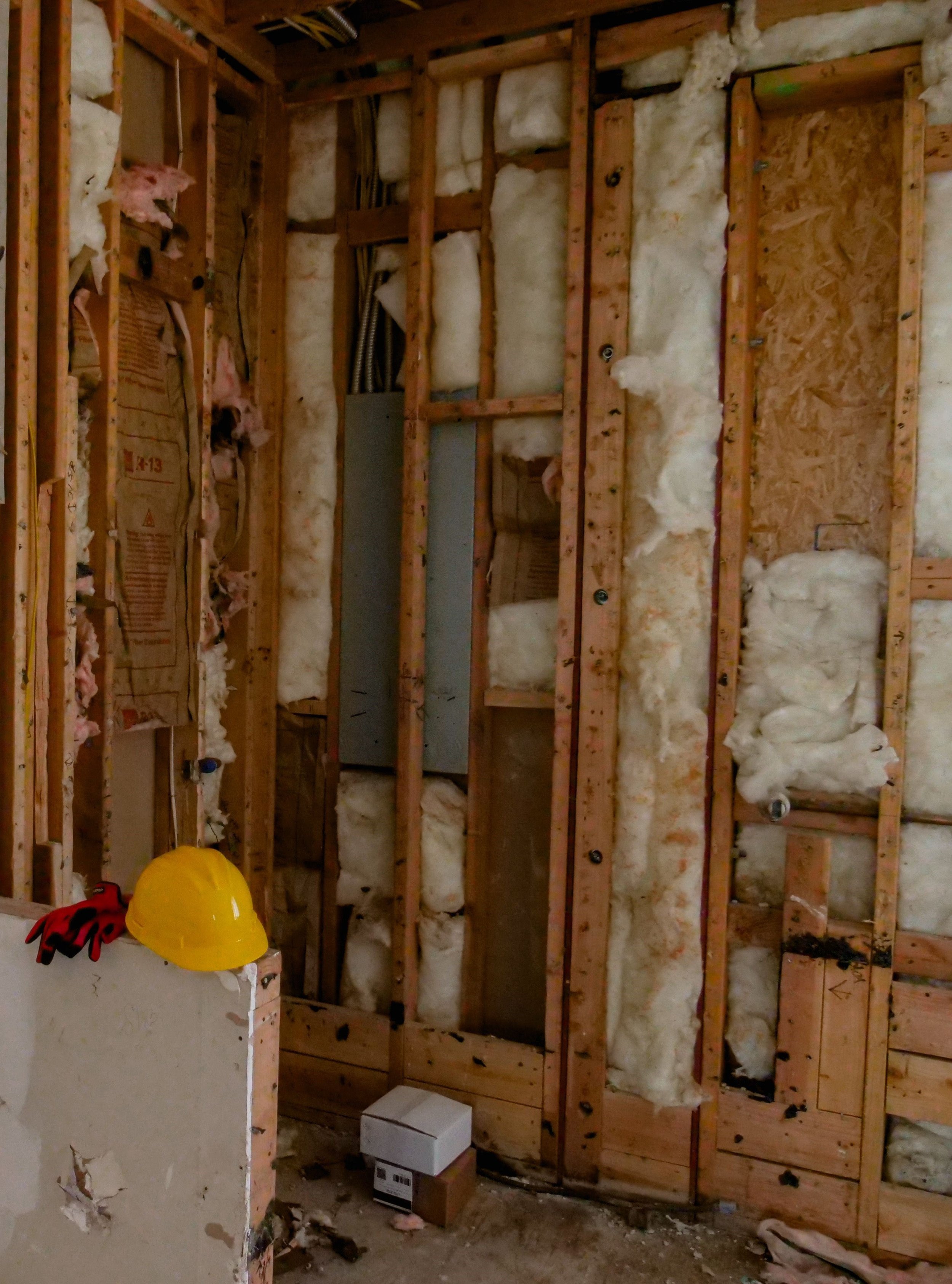
Image via Pexels
LONG - TERM things that you can do
1. Firstly (and maybe the most important thing), check that your home is properly insulated.
Think of insulation like a thermostat. It can help regulate the indoor temperature of a home. It keeps the home warm during winter (by trapping heat) and cooler in summer by blocking outdoor heat. Not to mention keeping bills in check.
However, over time, it can deteriorate and cause problems/lose heat, so it’s best to check with a contractor on how best to proceed, in case that is the issue
Over time, this insulation can deteriorate (because of a variety of reasons) and may need replacing. It can be a costly process, depending on how much you need to change, but over time, it will be worth it, as it will protect you from heatwaves, and it will also help keep heating costs down as well.
The best thing to do is to contact a contractor or your local council for advice if you are not sure how to proceed with these things.
2. If it’s still too warm, install an Air Conditioning unit if it doesn’t cause you discomfort.
If you are finding that it is still too hot in your home, another option can be to install an air conditioning unit. However, some people might be sensitive to the air circulated in the home, so again, it is something worth checking before installing. I know from experience that I sometimes have nose issues if I sit for too long in a room where the AC is on.
Some people are sensitive to it and experience headaches and nose/respiratory problems, so be sure it is the right fit for you.
3. If you can, install double-glazing windows.
They act as another shield, similar to walls, flooring and ceiling insulation. The trapped air between the 2 (or more) glass panels acts like a buffer zone and helps to slow down the heat coming inside your home. This middle layer is what helps keep the warm air trapped inside and makes your home more energy efficient (because the heat does not “escape” outside).
Bonus if you pair that with curtains/blinds.
4. Updating your “white goods”.
Having more modern appliances, including “white goods” (i.e. fridge/freezer, dishwasher, washer/dryer, oven, hob, etc.), can be more energy efficient and thus help you to keep the overall heat lower indoors and in check (not to mention electricity costs down too).
5. Having the exterior of your home painted in a lighter colour will help to reflect light, and therefore heat (if you are in an area where the local council allows it).
There is a reason why when you go on holiday in Spain or Greece, you see all the houses painted in white. White reflects the most amount of light (and therefore heat), which helps to keep the walls of a home cooler than if it were grey or terracotta (bricks) colour, for example. However, depending on where you are in the world, you might not be so lucky because the local council might have a say in the exterior paint colour of your home.
6. Have light-coloured curtains on the exterior side (towards the window).
When it comes to curtains, during a heatwave, blackout curtains work best. However, dark curtains (and even metallic blinds) can absorb heat and make a room feel hotter.
But this doesn’t mean you can’t have your favourite colour on your curtains. There is a simple solution here - a blackout curtain in 2 colours. Your favourite colour facing the room (towards you), and a lighter colour (ideally white) backing towards the window. To reflect the light and the heat.
Using the right materials can also make a difference. Linen is a great material to use for curtains (and also for beddings in general but especially during heatwaves) because it naturally absorbs moisture from the air. It can help make a stuffy room feel a bit cooler. And help you sleep better at night.
However, if you are not a fan of linen or simply prefer thicker curtains (especially in bedrooms for privacy and sleep) then you can just use blackout curtains that have thermal/insulation built into them.
7. Last but not least, plants, plants, plants.
Self-explanatory - plants provide shade and help cool the air both outside and inside. Not to mention mental health benefits such as feeling grounded, connected to nature, calmer, lower anxiety and stress levels, a feeling of nurturing and overall wellbeing.
That is it! I hope these help make (even a small) difference and help you and your loved ones cope with these increasing heatwaves across the UK and beyond.
If you enjoyed this blog post or found it useful, please do share it with everybody you know or you think might benefit from knowing this. The more people can learn about how to protect themselves and their homes during high temperatures, the better. And if you think that I missed a tip that should have been in here, please do reach out. I am more than happy to add it in.
Let me know your thoughts below or you can always share your experience on Instagram. Just tap @detailmovement and leave your message there.
Looking forward to hearing from you!
Raluca x
Join our Thoughtful Edit
The “Thoughtful Edit” interior newsletter. A newsletter unlike any other where the content is shaped by the community for the community, to serve the community.

All images that are credited as '©Detail Movement', are done by Raluca Vaduva for Detail Movement. All rights reserved. All pictures that are not my own, I credit them to the best of my knowledge & research, to their offline/online sources. I do not claim ownership over them in any way. If you see your picture on this site and do not wish for it to be displayed, please get in touch and I will remove it or add additional notes at your request.